The right lifting equipment changes how efficiently a workshop can work. It affects access around the vehicle, how quickly routine jobs can be completed and which types of repairs a bay can handle. The best choice is not simply the lift or jack with the highest capacity; it is the equipment that fits the vehicles, floor space and jobs you actually see.
Start with the vehicles you service
List the typical cars, vans and light commercial vehicles that enter your workshop. Pay attention to vehicle weight, ground clearance, wheelbase and lifting points. A low-profile performance car creates different access requirements from a taller van, while heavier vehicles demand more capacity and a larger safety margin.
Match the equipment to the work
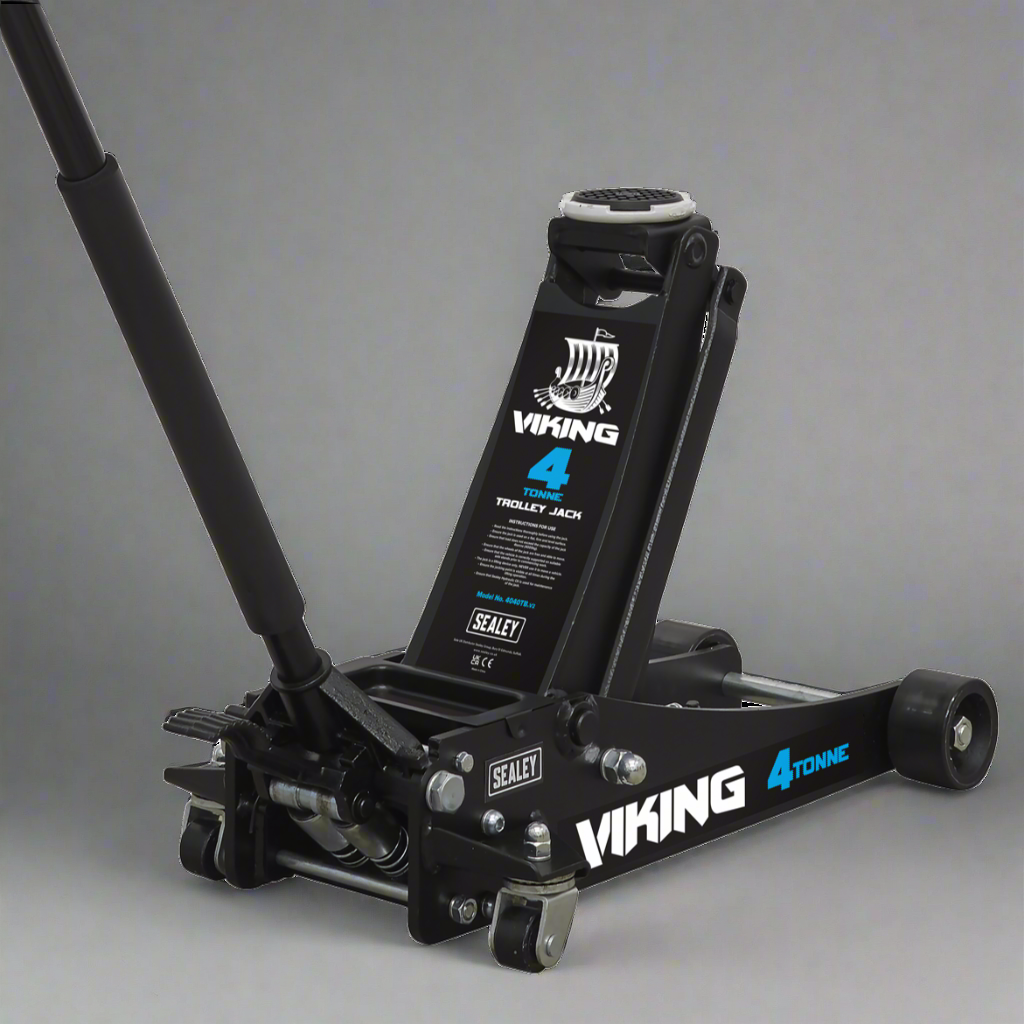
Think about the jobs performed most often. Trolley jacks are useful for fast wheel, brake and suspension work. Vehicle lifts provide better full-underbody access for longer service and repair jobs. Engine cranes and transmission jacks solve a different problem: safely positioning heavy components during removal and installation.
A busy workshop will often benefit from a combination of lifting equipment rather than expecting one machine to cover every task.
Check minimum and maximum working height
Minimum entry height matters when working with low vehicles. Maximum lift height matters when technicians need comfortable underbody access. Check both measurements before buying and compare them with your normal vehicle mix and working methods.
Consider workshop space
Measure the bay before selecting equipment. Allow room not only for the machine itself but also for doors to open, technicians to move safely, tools to be positioned and vehicles to enter and leave without awkward manoeuvring. For fixed lifting equipment, floor construction and installation requirements should be checked against the manufacturer's instructions.
Capacity is a limit, not a target
Choose equipment with a rated capacity appropriate for the vehicles or components being handled. Never exceed the manufacturer's stated capacity. Correct lifting points, load positioning and routine inspection are just as important as the number printed on the specification sheet.
Look at speed and daily usability
In a commercial workshop, small time savings are repeated many times each week. Features such as quick-lift mechanisms, low-entry designs, stable castors and convenient controls can make equipment noticeably easier to use in everyday work.
Plan for maintenance
Lifting equipment should be kept clean, inspected regularly and maintained in line with the manufacturer's schedule. Hydraulic leaks, damaged wheels, worn contact points or unusual movement should be dealt with before the equipment returns to service.
DJM Direct supplies lifting and workshop equipment for professional garages, service bays and automotive workspaces. Compare the specification, capacity and dimensions carefully before choosing the setup that fits your workshop.
Share:
Buyer’s Guide: Workshop Lighting
Transmission Jacks Explained: Choosing Capacity, Reach and Stability