
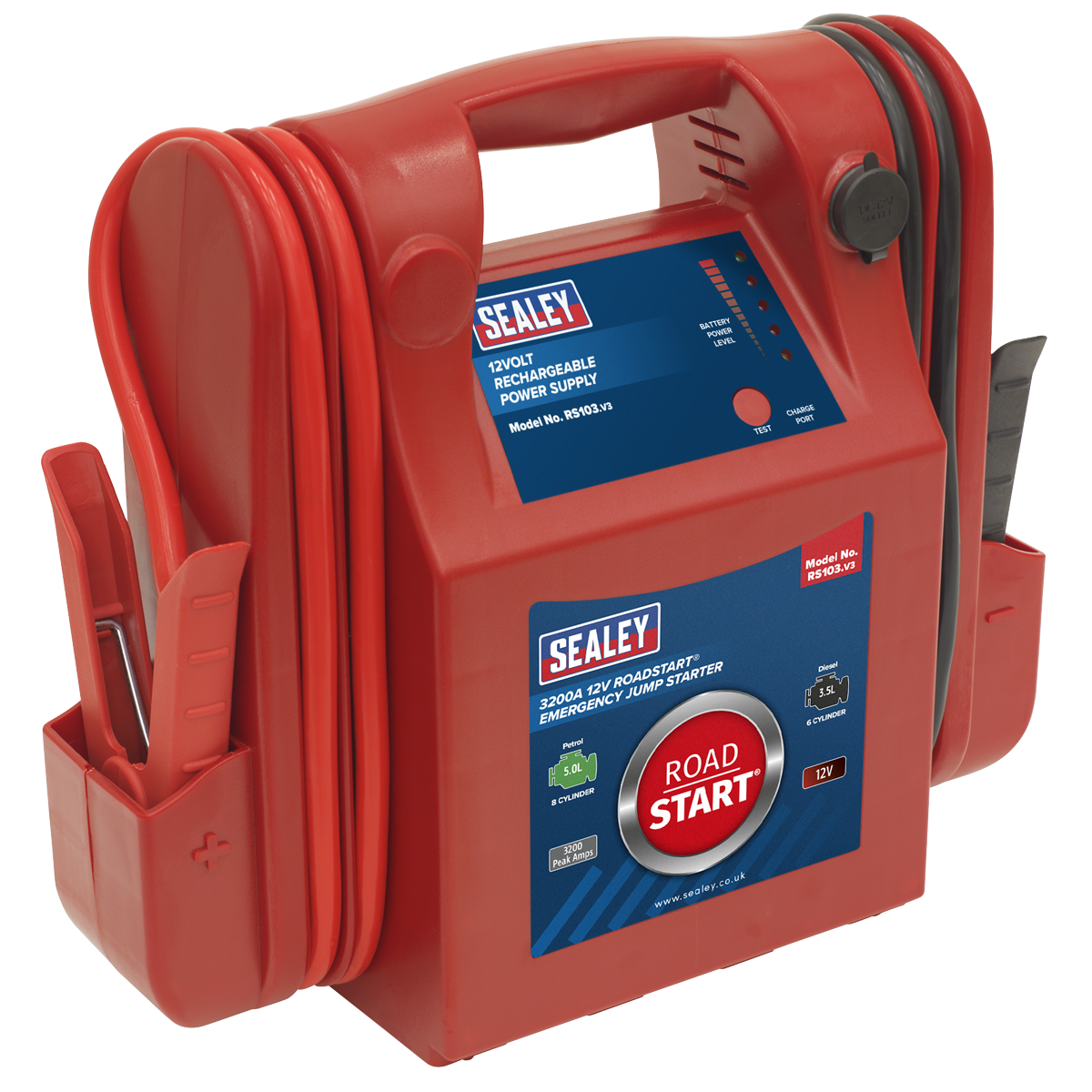
A flat battery can stop a job before it starts. For workshops, recovery vehicles and service fleets, a dependable jump starter provides a quick way to support starting when the vehicle battery cannot deliver enough current. The right model depends on the vehicles you handle and how frequently the unit will be used.
Match the unit to vehicle voltage
Check whether the jump starter is designed for 12V systems, 24V systems or both. Using equipment on an incompatible electrical system can damage the unit or vehicle. Follow the manufacturer's connection procedure and polarity guidance every time.
Do not judge a jump starter by one number
Peak-amp figures are useful for comparison but should not be the only buying criterion. Look at the manufacturer's stated vehicle or engine suitability, battery technology, cable specification and intended duty. A workshop that regularly starts larger engines may need a different unit from one servicing small petrol cars.
Consider how often it will be used
Occasional emergency use and repeated daily workshop use place different demands on the battery pack. If the unit will be used frequently, charging time, durability and the availability of replacement parts or accessories become more important.
Cable length and clamp quality affect usability
Battery terminals are not always conveniently positioned. Adequate cable reach can make connection easier, while robust insulated clamps help provide secure contact. Inspect leads and clamps before use and replace damaged components rather than improvising repairs.
Keep the pack charged
A jump starter is useful only when it is ready. Build charging and condition checks into the workshop routine. Follow the manufacturer's recommendations for recharge intervals and storage, especially if the unit is used only occasionally.
Store it where it can be reached quickly
Choose a clean, dry storage location close to where vehicles are received or serviced. Mobile technicians should secure the unit properly in the service vehicle so it cannot move around during transport.
Jump starting is not battery diagnosis
A successful start does not explain why the battery discharged. After getting the vehicle running, appropriate testing may be needed to assess the battery, charging system and possible parasitic loads. Treat the jump starter as a support tool, not a substitute for diagnosis.
Safety comes first
Confirm the vehicle and jump starter instructions before connection. Keep damaged batteries and visibly unsafe situations out of service until assessed correctly. Wear appropriate personal protective equipment for the task.
DJM Direct offers battery support, charging and workshop equipment for automotive professionals and service environments.
Share:
Tyre and Wheel Handling Equipment: What a Busy Workshop Needs
Engine Cranes: What to Check Before Choosing One